Mold inspection & testing guidance
Finding where mold is, how far it has spread, and — more importantly — what moisture is feeding it.
Mold Removal • Quincy, MA
Mold inspection and removal for Quincy homes — careful containment, honest answers, and a plan for the moisture that caused it.
Call (857) 567-6406 Request a quoteMold is a moisture problem first and a cleanup problem second. Scrubbing the visible spot without fixing the leak, the condensation, or the ventilation just buys a few weeks. We find the source, contain the work area, remove what needs removing, and talk through what to change so it stays gone.
If any of that sounds familiar, a call or a form message is the right next step — tell us what you are seeing and we will talk through what to check first.
Call (857) 567-6406Finding where mold is, how far it has spread, and — more importantly — what moisture is feeding it.
Setting up containment so spores are not spread through the house during removal, then removing affected material properly.
The two places mold loves most: damp basements and poorly ventilated attics, where it hides behind insulation and stored boxes.
Grout, caulk, under-sink cabinets, and the wall behind a shower — the small, damp places that add up.
HEPA vacuuming and cleaning of the work area so the space is left clean, not just visibly cleaner.
A plain-language plan for the leak, condensation, or airflow problem behind the mold, so it does not just grow back.
Stuff worth knowing whether you hire us or not — the kind of things that save homeowners money and headaches when they are caught early.
Mold needs moisture. If you remove mold but leave the leak, the condensation, or the damp basement, it will be back. The water source is always step one.
Bleach can lighten mold on a hard, non-porous surface, but on drywall, wood, or grout it does not reach the roots — and it can make the surface look clean while the mold underneath keeps going.
Paint and primer over active mold trap moisture and hide growth. It looks fixed for a few weeks, then bubbles and spots come back, often worse.
Scrubbing or tearing out a big moldy area without containment spreads spores through the house. Small spots can be cleaned carefully; larger areas need a contained approach.
A bathroom fan that vents into the attic instead of outside just moves the moisture problem upstairs. Run the fan during and after showers, and make sure it actually vents outside.
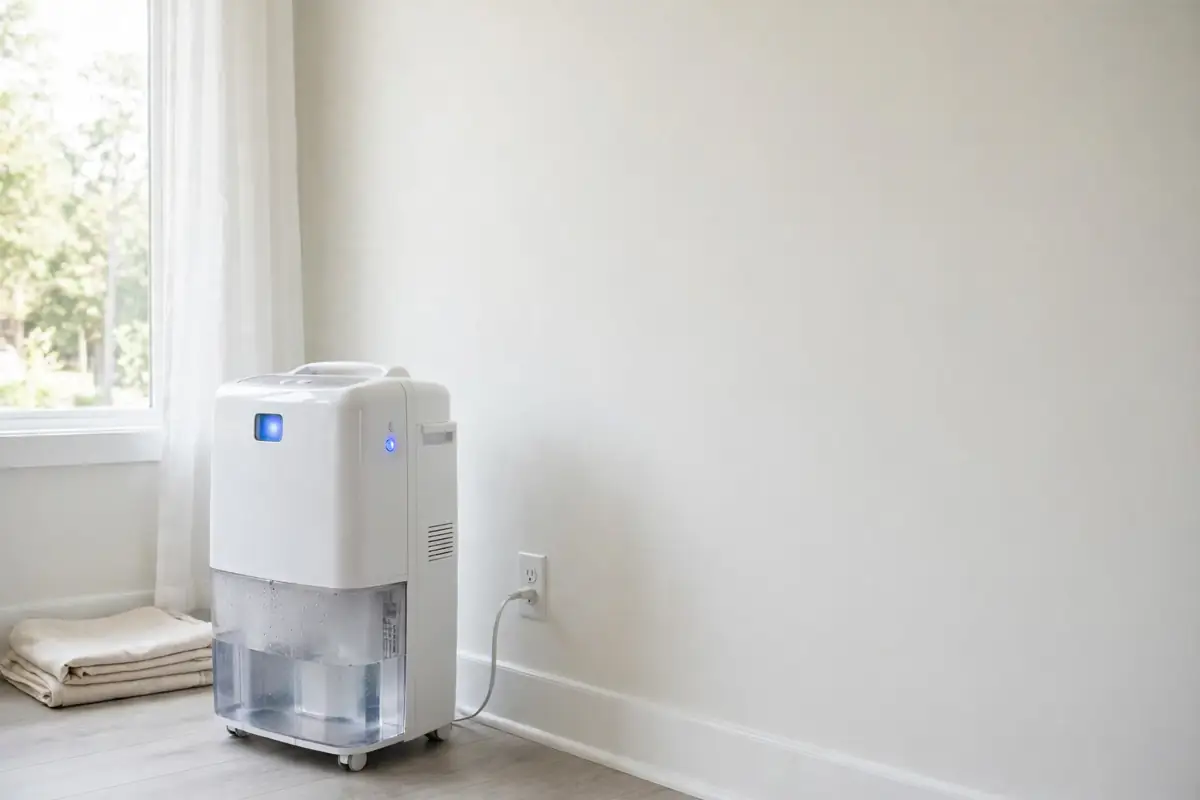
Aim for the range where the house feels comfortable and windows are not constantly fogging — generally well below the point where condensation sits on cold surfaces. A dehumidifier in a damp basement is often the simplest big win.
Attics, crawl spaces, behind the washing machine, under sinks. Mold in a house is often found in the one spot nobody has looked at in a year.
Not every mold is a health emergency, but mold in a living space is not something to live with either — it damages materials, smells bad, and can aggravate breathing issues. The right question is not just what kind it is, but how much there is and what moisture is feeding it.
Testing can help when the source is hidden or you need to confirm an area is clear after removal. But a visible mold problem with an obvious moisture source does not always need a lab report first — inspection and fixing the water often come first.
Small, surface-level spots on hard, non-porous materials can often be cleaned carefully with proper protection and ventilation. If it covers a large area, is inside walls or HVAC, or keeps returning, it is time to get it looked at properly.
It should not, if the moisture source was fixed and the area was dried and cleaned properly. If the leak or humidity problem is still there, it will. That is why the moisture plan matters as much as the removal.
It depends on the size and location. A bathroom spot is a different job from a basement or attic. You should get a clear scope up front: what will be removed, what will be cleaned, how the area will be contained, and what to do about the moisture afterward.
We serve Quincy, MA and nearby South Shore communities. If you are just outside that area, call anyway and ask — we will tell you straight whether we cover your town.
Call (857) 567-6406, or use the form and we will call you back. Tell us as much as you can about the job — location in the house, what you are seeing, and anything you have already tried.